
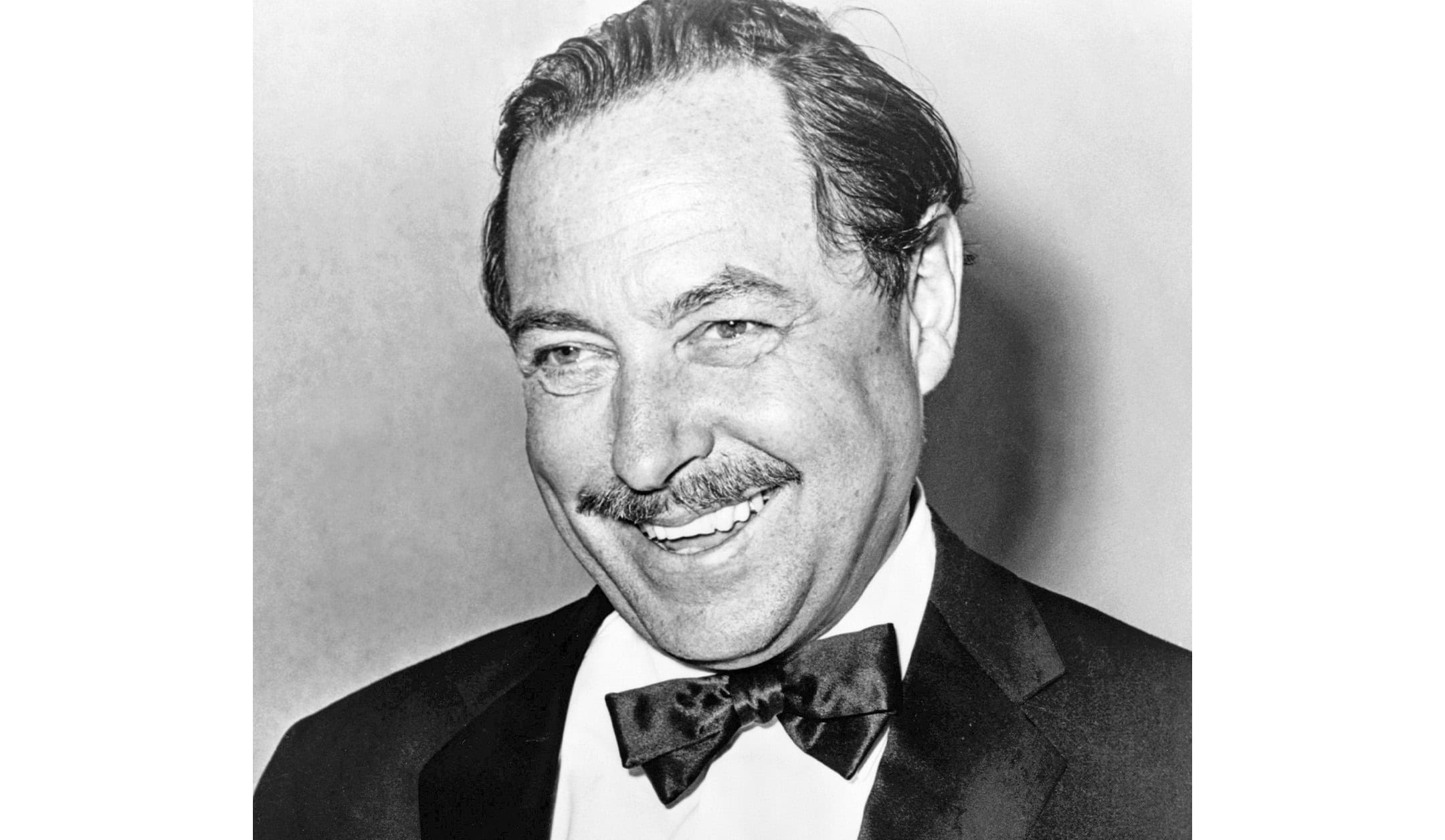
Tennessee Williams is the actor’s playwright. Through a decades-spanning body of work studded with some of the most famous characters in American theatrical history, the man born Thomas Lanier Williams III created unforgettable, challenging roles for performers (and very often for leading ladies) to sink their teeth into. A master of melodrama, Tennessee Williams (the name chosen as a tribute to his Southern roots) left an indelible mark on the stage. At heart, Williams’ work is characterized by its focus on people striving, often to their own detriment, for connection, for community, for love that can transcend the mundanities of the world. Tennessee Williams’ characters feel more deeply, yearn more longingly, lust more passionately than any other characters in theatrical history, and it is in that tumultuous sweep of emotion that they hold their power. Generations of audiences and actors have found themselves spellbound by the grandeur and poetry of his work and the fragile Southern dioramas it conjures.
Here’s a selection of five of Williams’ transcendent plays, each of which contains an emotional journey filled with heft, power and delicacy.
The Glass Menagerie (1944) (US/UK)
Marking the playwright’s first major success, The Glass Menagerie catapulted the then-unknown Tennessee Williams to stardom. Even at that early age in his career, audiences and critics latched on to Williams’ ability to create magnificent leading roles for female actors. The play ran for over a year and picked up the prestigious New York Drama Critics’ Circle Award.
Centering on a faded Southern belle named Amanda Wingfield, The Glass Menagerie exemplifies Williams’ command of melodrama and memory. Living in poverty in a dingy St. Louis apartment with her two children Tom and Laura, Amanda is focused on securing their future, all while being emotionally shattered by her husband’s abandonment. While Tom feels trapped by his life – seeking escape through alcohol and the movies – Amanda pressures sensitive Laura to find a husband, crushing their relationship and Laura’s fragile self-esteem. A teeming hive of insinuations, digs and snide remarks, The Glass Menagerie established Williams as one of the foremost emotional masters in American theatre.
A Streetcar Named Desire (1947) (US/UK)
The quintessential Williams work, A Streetcar Named Desire is considered one of the greatest and most influential plays in the American canon. An immediate success, the original production, which starred Jessica Tandy in a Tony-winning role and a then-unknown Marlon Brando, ran for 855 performances. The show was soon adapted into an equally-celebrated film, starring Brando and Vivien Leigh, and the roles of Blanche DuBois and Stanley Kowalski became imprinted in the cultural memory.
Streetcar is the story of Blanche, another in the long Williams line of faded Southern belles, who moves in to her sister Stella’s shabby apartment in New Orleans that she shares with her brutish husband Stanley. Of course, passions surge and tempers flare as the snobby Blanche is brought into close proximity with the “common” Stanley, leading to a climax among the most famous in the American theatre. With Streetcar, Williams once again showed that he was capable of creating dynamic female leads permitted to express the whole range of human emotions, and that his work drove right at the heart of what made humanity interesting: our moral codes and how they chafe against each other.
Summer and Smoke (1948) (US/UK)
A more minor, yet still undeniably powerful work in the Williams oeuvre, Summer and Smoke was the next in the series of Broadway premieres for the playwright, debuting immediately after the whirlwind success of Streetcar. Tackling issues of faith, love and lust, Summer and Smoke is the haunting love story between a spiritual Southern girl and the young doctor who entrances her and causes her to question her faith. In a departure from his earlier works, the lead role in Summer and Smoke is not someone who’s faded but rather someone whose personality is yet to fully bloom, who can yet be changed by the forging flames of love.
Alma Winemiller is highly strung, unmarried, a minister’s daughter and desperately in love with John Buchanan Jr., a young doctor who grew up next door to her. By the end of the play, she is irrevocably changed, insisting that “she doesn’t exist any more, she died last summer – suffocated in smoke from something on fire inside.” Therein lies the great appeal of Williams’ work – his characters are experiencing the great traumas and epiphanies of their lives at every moment.
The Rose Tattoo (1951) (US/UK)
Another classic melodrama in the Williams collection, The Rose Tattoo, is lightened by its comedic supporting cast and its unique setting inside the Sicilian-American community who emigrated to the area near New Orleans in the 1930s to become involved in the fruit industry. Once again, the play is a showcase for a strong leading lady, as The Rose Tattoo presents the sensuous, emotional, flighty Serafina delle Rose, whose intense and absorbing instinct for love drives everything around her. A woman of unbridled passion, Serafina’s force of personality dominates the small town where she and her friends are living.
Debuting at the Martin Beck Theatre, The Rose Tattoo ran for 306 performances and starred Maureen Stapleton, Eli Wallach and Phyllis Love. Since then, actors ranging from Marisa Tomei to Mercedes Ruehl have taken on the role of Serafina, whose quest for love reminds us just how powerful this most primal of emotions can be.
The Night of the Iguana (1961) (US/UK)
A rarer Williams entry in the sense that its melodramatic leading role is a man, the drama The Night of the Iguana marked one of the last entries in Williams’ peak period, before his (relative) downturn in the 60s and 70s. Premiering at the Royale Theatre, the original production starred Patrick O’Neal and Bette Davis in another testament to Williams’ ability to attract huge names who would leap at the chance to play his emotionally-hefty roles.
After being locked out of his church for castigating God, the Reverend T. Lawrence Shannon is adrift and working as a tour guide in Mexico. Inevitably, passions and secrets explode as he tries to marshal his newest group of guests. Shannon is accused of committing the statutory assault of a 16-year-old girl, Charlotte Goodall, who is among the current tourists under his charge. Struggling emotionally, Shannon tries to manage the other members of the group, who have turned against him for his crimes, all while Maxine, the recently-widowed owner of the cheap hotel at which they are staying, is interested in him for purely carnal reasons. Adding to this chaotic scenario, spinster Hannah Jelkes appears with her elderly grandfather, Nonno, who, despite his failing health, is composing his last poem. Shannon offers Hannah shelter for the night, forming a deeply human bond between them that threatens to envelop the entire group.
For more plays by Tennessee Williams, peruse the Tennessee Williams Collection (US/UK) on Concord Theatricals to discover more timeless works by the master of American melodrama.
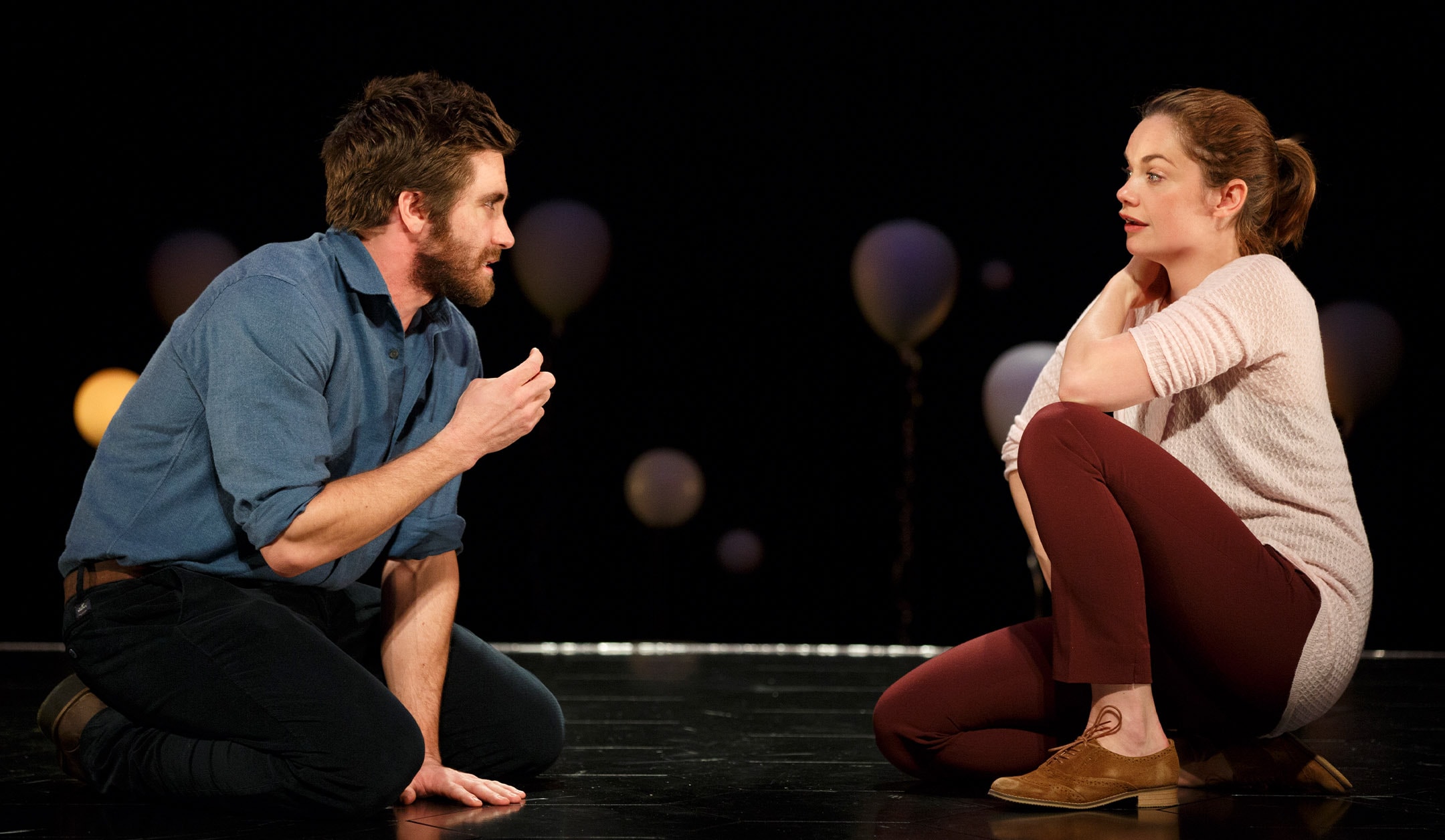
Women in STEM: Characters Across Science, Technology, Engineering and Math
While historically underrepresented, dozens of women across both history – and fiction! – excel in the fields of science, technology, engineering and mathematics (STEM). Here, discover brilliant theatrical works that feature these ladies.

Ian McWethy in Five Plays
Discover five hilarious, charming, inclusive plays by Ian McWethy, a playwright loved by audiences of all ages.
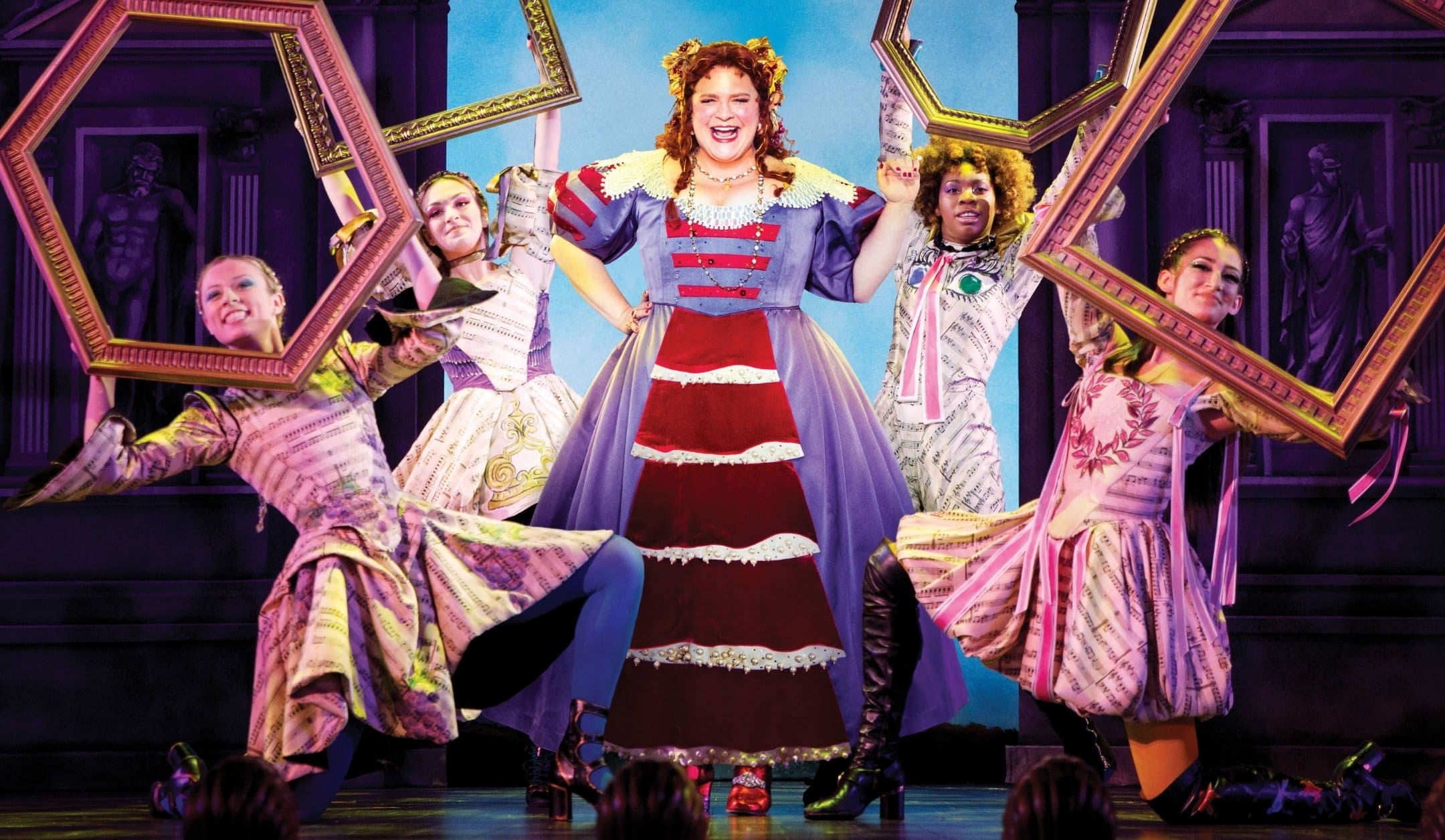
Community Theatre: Your 2026 Guide to Season Planning
Need help planning your next community theatre season? This selection of celebrated and noteworthy Concord Theatricals titles – arranged by genre – is sure to include the perfect show for your theatre and your audience.