
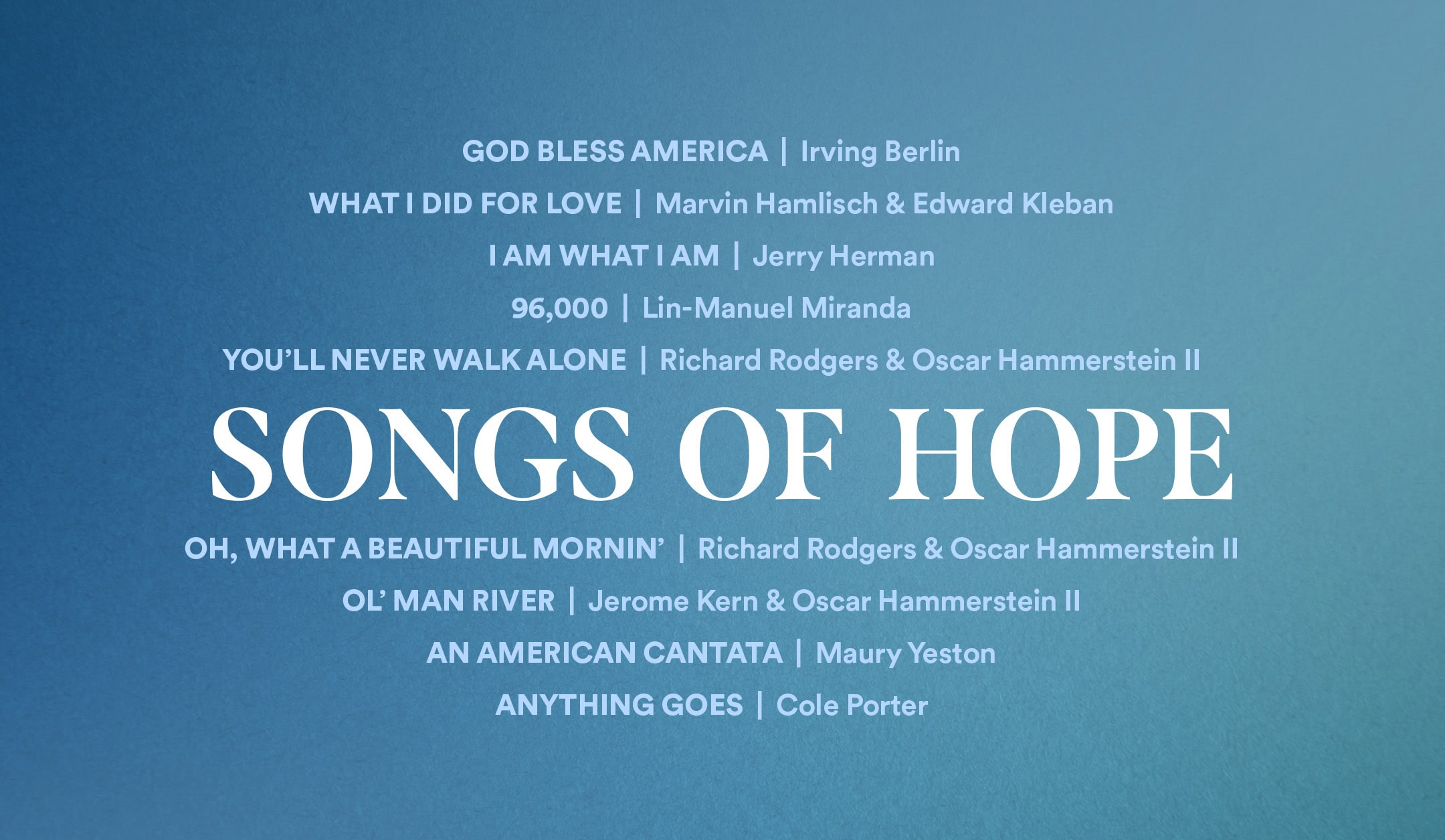
“Where words leave off, music begins,” German poet Heinrich Heine once wrote. This is true most notably in moments of celebration and calamity. The Concord Theatricals Concert Library is the proud home of the songs that have anchored us through graduations, funerals and moments of political change. These songs endure precisely because their lyrics do not pretend at exceptionalism but instead strive for mutual connection as flawed individuals. Pieces as distinct as Irving Berlin’s “God Bless America,” “96,000” from In The Heights, and Maury Yeston’s “An American Cantata” all feel somehow connected not by style or tone, but by their purpose to rally the masses.
Written during World War I and revised in 1938 as fascism spread across Europe, Irving Berlin’s “God Bless America” has long occupied a complicated place in American life, seeing equal play at baseball games and national vigils. After the September 11 terrorist attacks, it was programmed in memorial events across the world as an act of international solidarity. The lyric is fundamentally a plea. It expresses uncertainty that democracy is a permanent condition, but a living aspiration requiring constant reassessment and renewal.
In stark contrast to the patriotic vision of “God Bless America,” Jerome Kern and Oscar Hammerstein II’s “Ol’ Man River” is a counterargument for marginalized communities and their lived reality of inequality. It was written in 1927, decades away from the dismantling of Jim Crow. Sung from the perspective of Joe, a Black dockworker in Show Boat, the lyrics employ the Mississippi River as a metaphor for social change. Due largely to Paul Robeson’s stentorian performance, “Ol’ Man River” became inseparable from conversations about race and American identity because it articulated a central truth: to continue singing in the face of injustice is resistance.
That same emotional current runs through “You’ll Never Walk Alone,” written by Richard Rodgers and Oscar Hammerstein II for Carousel. Its message that loss can be endured collectively has made it perpetually relatable. Over the decades, it has evolved beyond a show tune to a secular hymn about perseverance. On the other side of the pond, imagine standing in England’s Anfield Stadium surrounded by sixty thousand Liverpool Football Club fans as they roar “You’ll Never Walk Alone” at the final whistle after a red-and-white victory. The song became the club’s anthem in the early 60s and has been a twice-a-game staple ever since.
Less solemn, but no less hopeful!
Solemnity is hardly a requirement. Cole Porter’s “Anything Goes” was scored during the Great Depression, an era when audiences desperately needed escape by any means necessary: dance, debauchery, or decanting. (Why not all three?) Porter transformed collective anxiety into sophistication with his razor-sharp lyrics and joie de vivre. The lyrics laugh at upheaval rather than denying it. That ability to answer instability with style is a distinctly American characteristic.
Lin-Manuel Miranda’s “96,000” carries that same energy into the 21st century. On the page, the song is playful: neighbors in Washington Heights fantasizing about how a winning lottery ticket could transform their lives. Beneath the exuberance is a meditation on immigration and economic disparity. The American Dream of changing your circumstances not just with the contents of your character but the contents of your wallet. What makes the number emotionally resonant is not the fantasy of wealth itself, but the collective imagining. Everyone projects their version hope, be it a flashy new zip code or a billionaire placed into back-nine caddy servitude, or everything in between. The song understands that hope often begins with the willingness to picture a future larger than a corner with a streetlight and its beloved neighborhood bodega.
Few songs have transitioned so fluidly between Broadway, street activism, and mainstream culture as Jerry Herman’s “I Am What I Am,” an anthem to self-acceptance that has been adopted by the Queer community since its premier in the early 80s. In La Cage Aux Folles’ epic act one finale, Albin, who is more at home in glitter than gaberdine, does not ask permission to exist; his sense of belonging is already achieved. Importantly, this kind of hope differs from optimism, in that optimism assumes things will improve.
Hope insists a brighter future is possible even when evidence remains incomplete.
“What I Did For Love” from A Chorus Line deftly captures this distinction. Frequently misunderstood as a romantic ballad, the Tony-winning 11 o’clock number penned by Edward Kleban and Marvin Hamlisch highlights the ephemerality of art, answering the director’s question: “If today were the day you had to stop dancing, what would you do?” Through its reflective tone and honesty, the song argues that hope endures in the act of creating and persevering even when success is never promised.
Written in commemoration of the millennium, Maury Yeston’s “An American Cantata” reflects on our nation, still in its nascency by global standards, in a moment of transition and reflection. Its premier performance on the steps of the Lincoln Memorial boasted a chorus of 2000 voices in 8-part harmony. The cantata’s three movements draw from foundational texts spanning centuries: the Magna Carta, the Declaration of Independence, and Martin Luther King Jr.’s final speech, “I’ve Been to the Mountaintop.” By linking these documents and speeches together, Yeston presents a narrative of the United States shaped by a common belief in freedom, and the ideals on which the nation itself was founded.
Hope as a concept cannot be defined by a cookie-cutter metric; it’s complicated and vast. While one person is hopeful for a heavily taxed lump sum to fall into their lap, another just wants to get through the day and be acknowledged for their own humanity. None pretend that suffering can be wished away, but all exist with an eye toward a brighter tomorrow.
For more, visit the Concord Theatricals Concert Library in the US or UK.

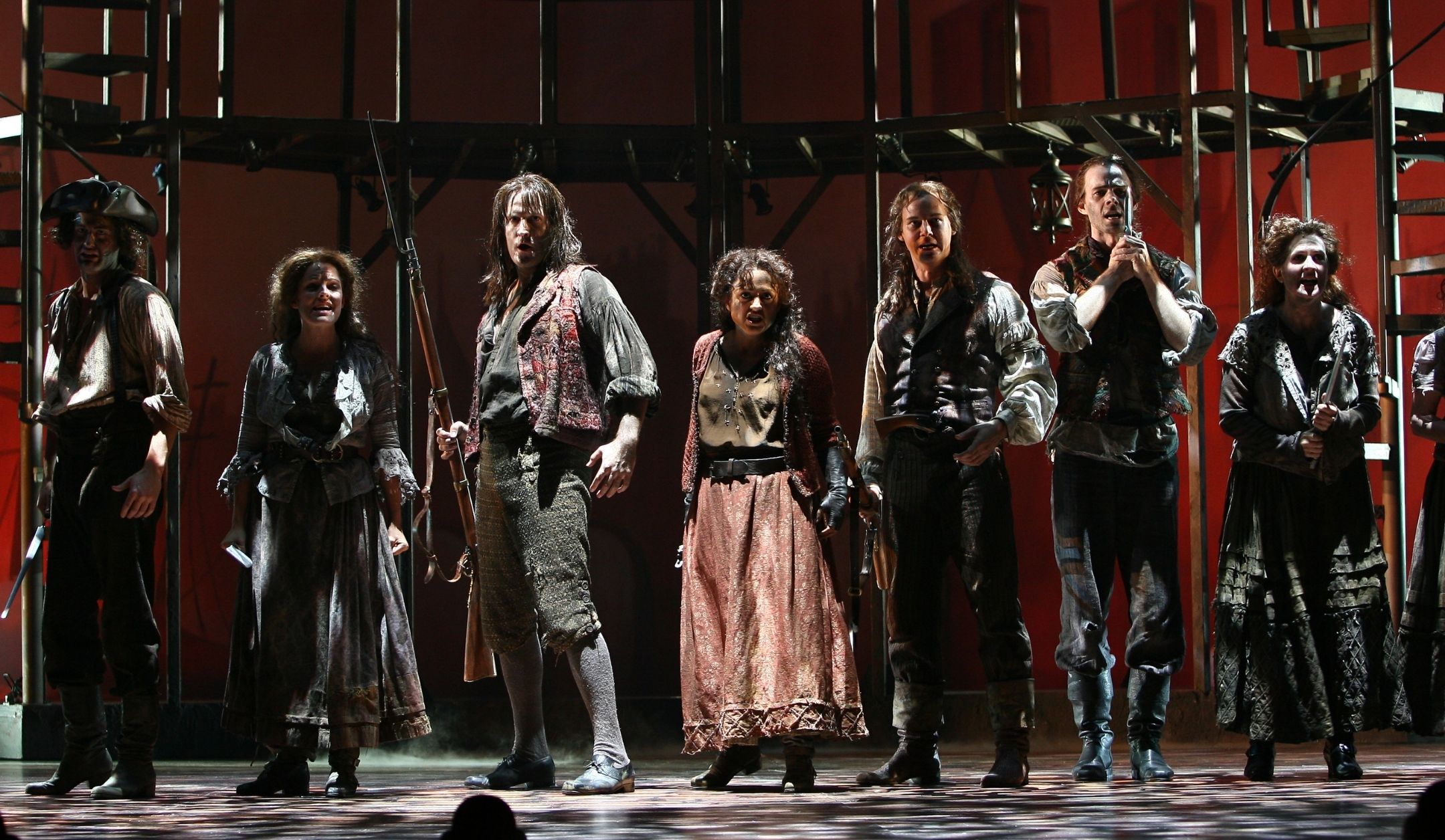
K-12 Theatre: Consider These Plays & Musicals, 2026-27
Looking for some new ideas for your theatre program? Here’s an eclectic list of great plays and musicals, ranging from classic dramas to contemporary farces.
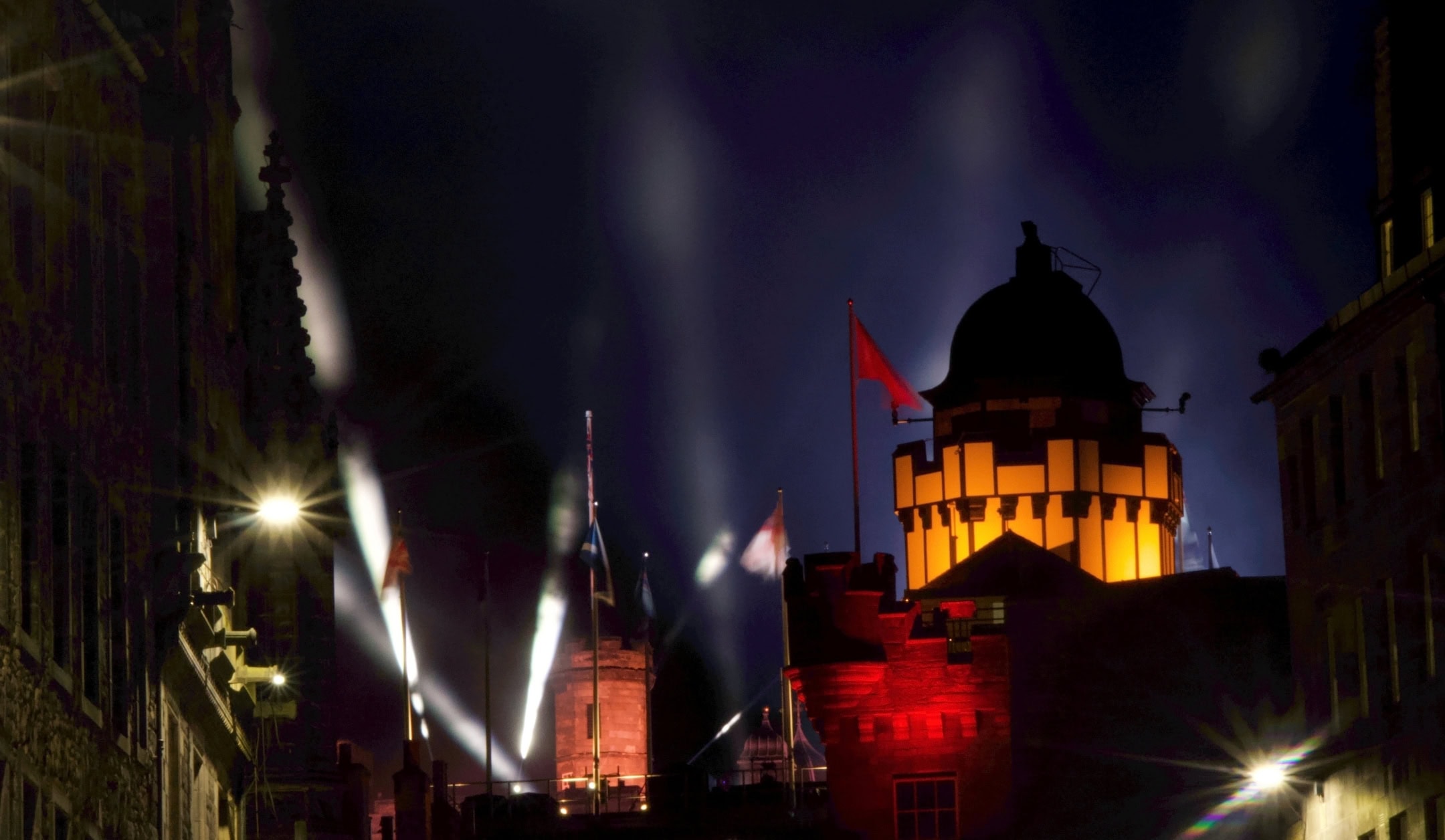
2026 Edinburgh Fringe Spotlight
These Concord Theatricals shows captivated audiences at the 2026 Edinburgh Fringe Festival and feature innovative, smart and contemporary work.
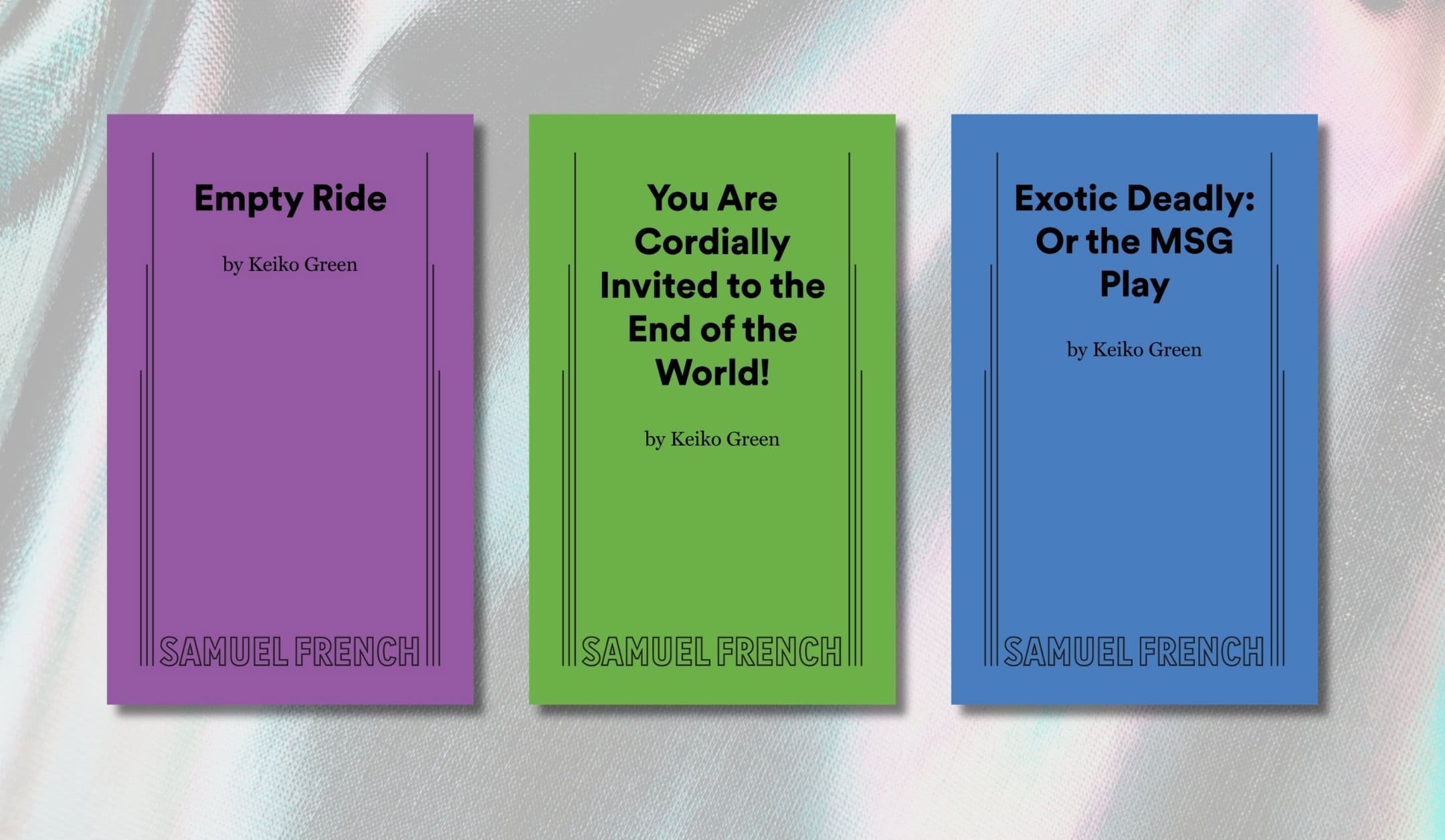
Comedy That Cares: An Interview with Keiko Green
Keiko Green is an award-winning playwright whose blend of humor and heart makes her work both resonate and popular. Explore three plays that embody the spectrum of her comedy – in the words of playwright Keiko Green herself!