
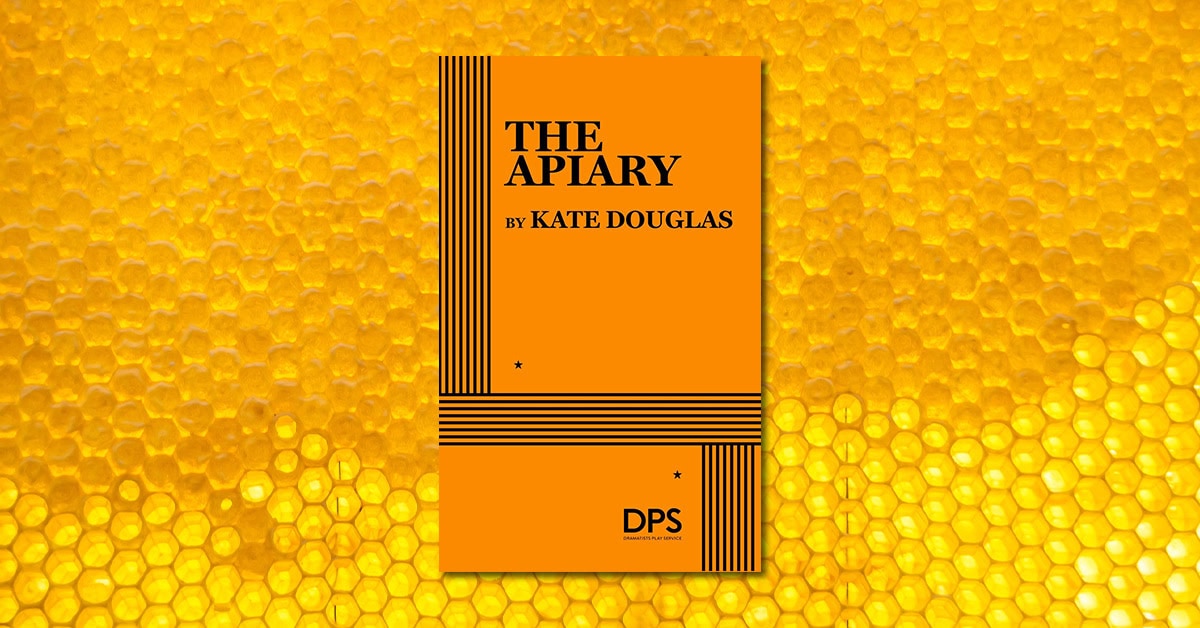
Playwright Kate Douglas’ new dark comedy The Apiary (US/UK) is an unsettling and sharp-witted cautionary tale about death, the planet, women, power and bees. We sat down with Douglas to discuss the play’s themes and genesis – and to learn more about the theatricality of honeybees.
For those who are unfamiliar with The Apiary, can you tell us a bit about the play?
The Apiary is a horror-comedy set 22 years in the future, where honeybees are nearly extinct, except for those kept alive inside synthetic apiaries. The play follows two lab assistants in one of those apiaries who hatch a plan to catch the world… all they need are a few volunteers.
What does 22 years in the future look like to you, and why did you choose it as the period for this play?
To me, this piece is a parable. I wanted to set the play close enough to the present moment that most aspects of life were recognizable, and I didn’t want to specifically date it. Twenty-two years arose intuitively and felt like enough of a runway to see some of the environmental and infrastructure changes discussed in the play.
You have a wonderful description of the synthetic apiary where the play is set. You describe it as a never-ending spring where “cables are attached to white hives around the periphery by what looks like ECG stickers,” which is such a vivid image. Where did this visual come from?
I began writing this piece after seeing photos of an experiment at MIT of a synthetic apiary that kept honeybees alive in an all-white, indoor environment. This room got my imagination spinning: I wanted to see a play on that set!
The ECG stickers are a “Kate science” addition to the design. I wanted to give a felt sense of how closely these honeybees are being monitored.
Death is an integral theme of the play, and it shifts between having a highly academic and a highly personal presence. Can you expand a bit on that?
Death and grief are perennial themes in my work, and I hope to become a better student of death through writing. We live in a culture that ignores, dismisses and denies death and decay, but they are incredible teachers and – I think – a key part of what makes us human. The characters in The Apiary live in a hyperbolic manifestation of our modern-day environments (synthetic, siloed, disconnected, linear), and how each of them views death is tied to how they experience loneliness and connection in this world.
The bees are listed as a character themselves, and they feel like the heart of the play. In fact, the last line of the script is “We are all part of the hive.” What do the bees represent for you, and how did you imagine their presence in this script?
The bees are the heart of this play. It was important to me that they are always represented in this piece as a character with an arc rather than just wallpaper in the background. When I was writing this play during lockdown, I had a felt sense that live theatre would never happen again, so I truly was imagining actual bees (thinking it would never be staged). I have been consistently impressed and delighted with the different director and designer approaches to representing the bees in productions.
Your play features (in addition the bees, of course) seven beautifully whole and developed characters, all of whom are women, something quite rare in the American theatre canon. Why was it important to you that only women were present in this specific story?
I am particularly interested in how women navigate grief (as I am one myself), and each of these women are a piece of me. I am also a performer, and I love writing roles that I could one day play and/or would have loved to play at a younger age. I was also excited by the echo that all worker bees in a honeybee hive are female.
“I love to be surprised in a theatre – swinging from poetry to violence or genre-bending is one of the most thrilling ways to keep myself engaged as as writer (and audience member).”
The balance between delicacy and viciousness is ever-present in this script. One of my favorite stage directions is “a ballet of voraciousness, the bees descend to feed on Anna’s body one by one. The music builds from delicate anticipation into a bloodthirsty scream.” How do you balance these two elements in your writing?
I don’t know about balance, but I love to be surprised in a theatre – swinging from poetry to violence or genre-bending is one of the most thrilling ways to keep myself engaged as as writer (and audience member).
Zora and Pilar are wonderful foils to each other, yet each provides the other a quality that they need to succeed. Can you discuss the importance of their relationship?
The language coming to mind now is that they are two halves of a broken heart – they need each other. It was so joyful to write them together.
There’s a constant tension and repetition about the separation between “upstairs” and “downstairs,” or between the people who are emotionally and intellectually invested in the preservation of the bees versus those who have the money and decision-making power. Can you expand on this through-line for us?
Again, as this play does exist more in the “parable” territory, I wanted to find simple but resonant language for institutional hierarchy that was relevant in the present day but felt timeless. Hierarchies can disconnect us from community and dialogue in myriad ways, but in this piece I was particularly interested in how the farther you get from hands-on work and physical care, the more lost you can become from deeper purpose. You can lose the forest through the trees.
“I think befriending grief and being present with each other while we can is crucial right now… by caring for each other now, we can begin to address the ‘screams of the future.’”
A line that really resonated for me comes towards the end of the play, when Zora and Gwen say, “The future is so loud, it’s screaming at us all the time, everything I do is just a way not to think about it.” By setting your play in the future, you’re providing a possibility of what it could look like. Why is it important that audiences think about that screaming future?
I have always been “predisposed to loss,” as Joan Didion would say, so to me this is the everyday grief of living with people and places that will one day no longer exist. Sometimes the grief is overwhelming for me when thinking about species, landscapes, histories… and sometimes it’s more acute when I am thinking about my own community, body, pleasures. I think befriending this grief and being present with each other while we can is crucial right now. There are so many ways to escape deeply into distraction, and we can miss years of our lives. I believe that by caring for each other now, we can begin to address the “screams of the future.”
We’re looking forward to several upcoming productions of The Apiary. Why do you think so many theatres are interested in your play right now?
It’s a funny, compact, daring piece of cli-fi that sparks conversations on a range of different unsolvable questions about what makes us human. If you’re looking for a timely piece of theatre that will fully engage your local artists, designers and audiences – this is it.
Do you have any advice for theatre makers producing The Apiary?
Take big, bold, swings. Run to the sun with wishes. Listen to the bees.
What do you hope audiences will take away from The Apiary?
I’ve been lucky enough to engage with audience members on so many different emotions and ideas arising from the piece – from people navigating illness to those concerned with climate collapse and more. I hope that this script and story is spacious enough to hold a range of paradoxes and that audiences leave the theater feeling more deeply than they did when they entered.
To learn more about licensing a production of The Apiary, or to purchase a copy of the script, visit Concord Theatricals in the US or UK.
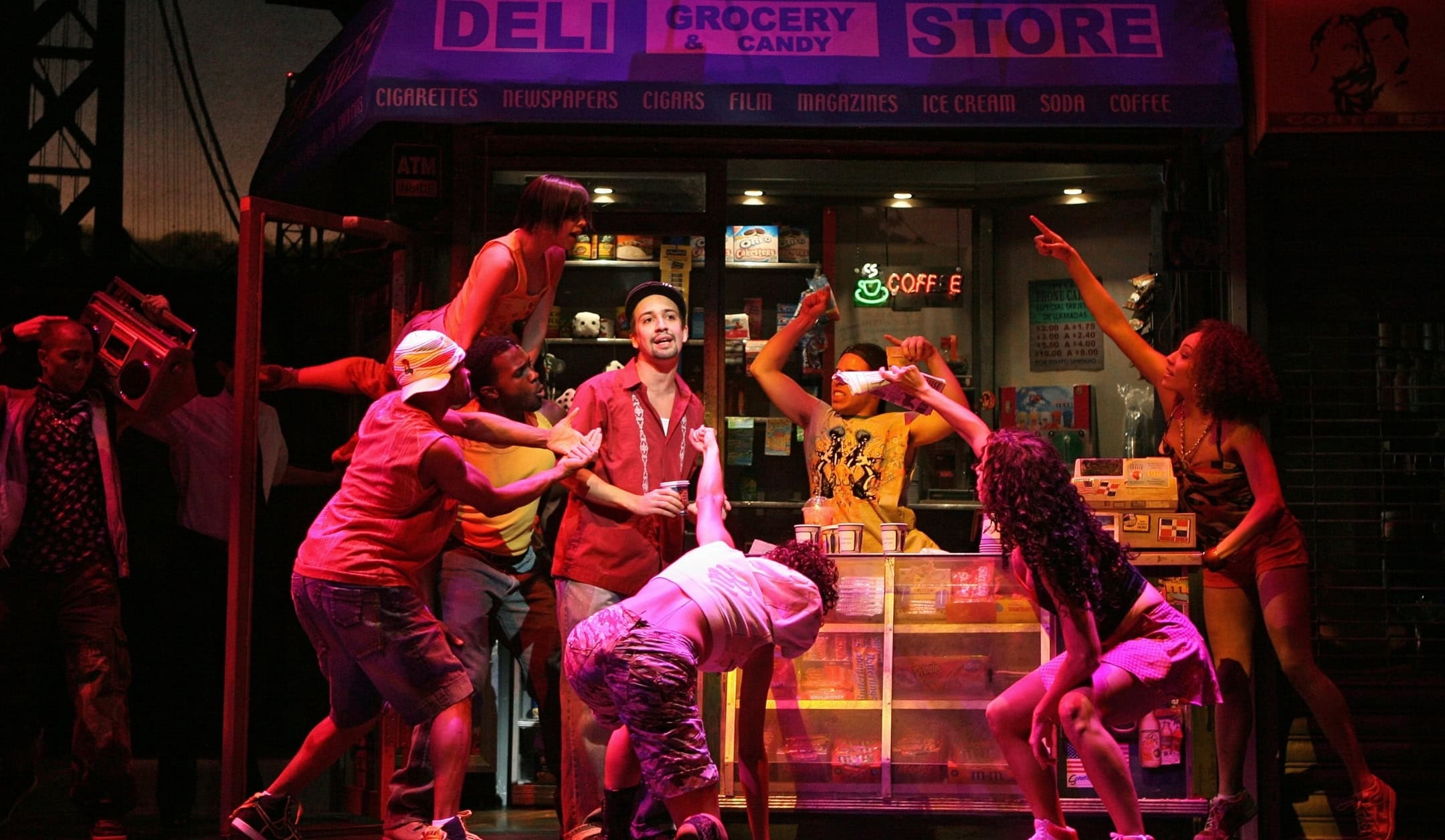
Shows for Every Audience
Warm and inviting, these shows are an accessible way to experience the magic of live theatre. For any age and any background, they’re sure to delight audiences and give actors a chance to shine.

Thank You, Teachers
To honor the wonderful educators who motivate young theatre artists, Concord Theatricals authors thank their most inspiring teachers.
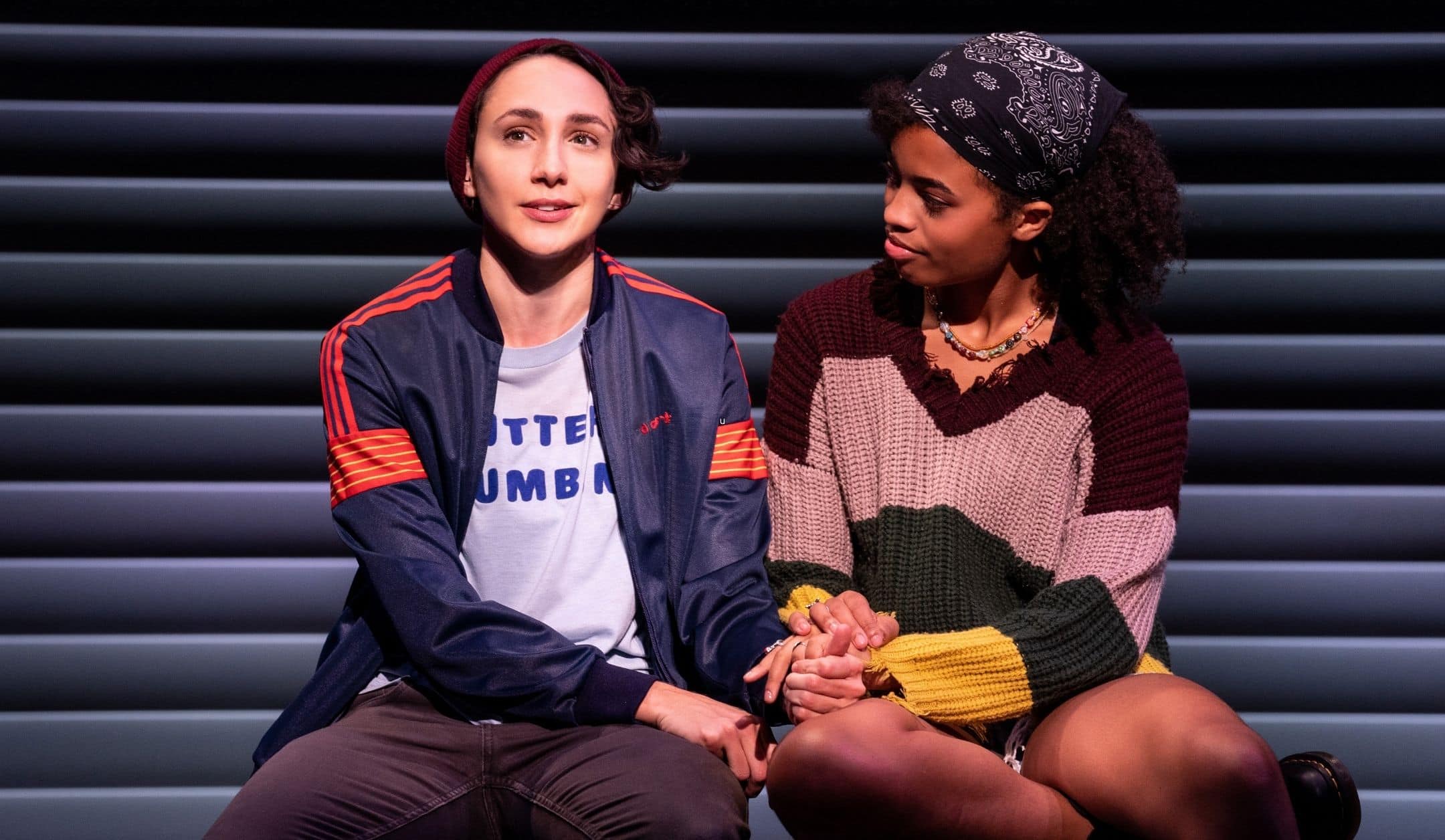
College Theatre: Consider These Plays & Musicals, Fall 2026
Choose your next show from this wide selection of plays and musicals for colleges and universities, including incisive political dramas, charming rom coms and cutting-edge musicals.